
Peer specialists build authentic relationships grounded in lived experience—an essential strength that also creates ethical challenges around boundaries, dual relationships, and role clarity. This training explores common dilemmas, how dual relationships naturally arise, and practical strategies for navigating gray areas while staying recovery-oriented and genuine. It also reframes self-care as an ethical responsibility, equipping participants with tools to maintain healthy boundaries, reduce burnout, and sustain effective peer support.
Free training
Audience: for Certified Peer Support Specialists
Instructional Level: Introductory
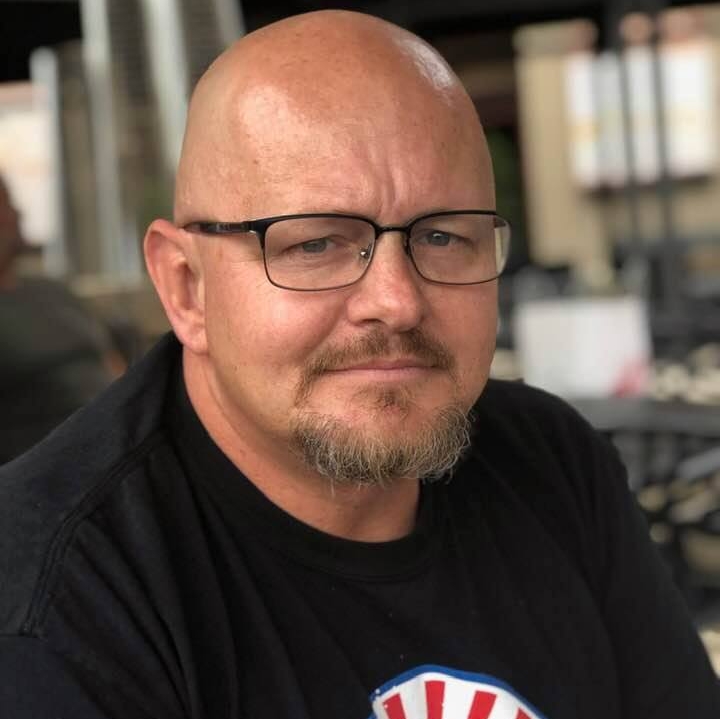
Instructor: David Stoecker
This training is approved for 3.0 continuing education (CE) credits for Nebraska Certified Peer Support Specialists. Credits will be awarded to participants who attend the entire training.
Objectives
- Define professional boundaries and dual relationships within the context of peer support and explain how they differ from traditional clinical roles.
- Identify common boundary challenges and ethical “gray areas” faced by peer specialists in real‑world settings.
- Apply ethical decision‑making strategies to navigate boundary concerns and dual relationships while honoring peer values such as mutuality and shared power.
- Explain how self‑care functions as an ethical responsibility and identify self‑care practices that support healthy boundaries and reduce ethical risk.
Sponsored by the Nebraska Department of Health and Human Services Division of Behavioral Health and the University of Nebraska Public Policy Center.
There are no personal or professional relevant conflicts of interest in relation to this presentation.